If you’ve ever lost shore power mid-trip, or you’re planning to boondock somewhere without a hookup in sight, a portable generator is one of the most useful pieces of gear you can add to your RV setup. But “buy a generator” is easier said than done once you start comparing inverter models, conventional models, and the confusing wattage numbers printed on the box. This guide breaks down what actually matters when sizing a generator for RV use, so you can buy the right one the first time.
Inverter Generators vs. Conventional Generators
Both types of generator do the same basic job — burn gasoline to spin an engine that produces electricity — but they go about it differently, and the difference matters a lot for RV use.
A conventional generator runs its engine at a constant speed regardless of how much power you’re actually using, which means it’s noisier, burns more fuel at idle, and produces less refined power. An inverter generator, on the other hand, adjusts its engine speed to match the actual electrical load, so it runs quieter and more efficiently when you’re only powering a few lights and a phone charger, and ramps up when you turn on the air conditioner or microwave.
Inverter generators also produce cleaner power with less electrical “noise,” which matters if you’re running sensitive electronics like laptops, phone chargers, or a CPAP machine. Conventional generators can work fine for basic appliances, but their rougher power output isn’t ideal for delicate electronics.
The tradeoff is usually price and raw power per dollar: conventional generators tend to deliver more wattage for less money, while inverter models cost more but run quieter, lighter, and cleaner — which is why inverter generators have become the default recommendation for most RVers, especially anyone camping near other campers who’d rather not hear a generator droning all afternoon.
How Many Watts Do You Actually Need?
This is where most people either overspend or underbuy. The right way to size a generator isn’t to guess — it’s to add up what you actually plan to run.
A few numbers to work from:
- A 30-amp RV electrical system tops out at 3,600 watts (30 amps × 120 volts), though in practice most RVers stay well under that ceiling rather than pushing it constantly.
- RV air conditioners are usually the single biggest power draw in the RV, and the number that catches people off guard is the starting watts, not the running watts. Most RV A/C units need roughly 2,000–3,000 watts just to start the compressor, then settle down to somewhere in the 1,200–1,500 watt range once running. If your generator can’t cover that starting surge, the A/C simply won’t start, even if it could handle the running load just fine.
- Everyday essentials — the refrigerator (if not propane-only), interior lights, water pump, and charging phones or laptops — typically add up to a few hundred watts combined, not thousands.
Once you know your appliances’ wattage (check the data plate or owner’s manual for each one — never guess on this), add up your realistic simultaneous load, and pad it a bit for the largest single startup surge you’ll ask the generator to handle. That total is your minimum generator size.
As a rough guide: smaller travel trailers running lights, water pump, charging, and maybe a TV can often get by with a 2,000–2,500 watt inverter generator. If you want to run a single RV air conditioner off generator power, you’re generally looking at 3,000+ watts to comfortably cover the startup surge. Larger rigs, or anyone running an A/C alongside a microwave or other high-draw appliance at the same time, should plan for more headroom or look at pairing two smaller inverter generators together (see below).
Parallel Capability: Why It’s Worth Considering
Many inverter generators can be linked together with a parallel kit to combine their output into one larger power supply. This is a genuinely useful feature for RVers because it lets you buy a smaller, lighter, easier-to-carry generator and still have the option to add a second matching unit later if your power needs grow — rather than hauling around one large, heavy generator all the time “just in case.” If you expect your power needs to increase (say, you start boondocking more often or add an A/C-equipped trailer), buying a parallel-capable model from the start is worth the small extra cost.
Noise, Weight, and Runtime
A few practical factors that matter as much as wattage:
- Noise level. Quieter inverter generators run well below the drone of a conventional generator, which matters both for your own peace and quiet and for staying considerate of neighboring campsites — many campgrounds have generator quiet hours or noise limits.
- Weight. If you’re a solo camper or have limited storage, a lighter generator with molded carry handles makes a real difference. Larger, higher-wattage units get noticeably heavier.
- Runtime. Inverter generators that adjust engine speed to load typically get significantly better fuel economy — and therefore longer runtime per tank — than conventional generators running at full speed the whole time, especially when your actual load is light.
Generator Safety Basics
A few rules apply no matter which generator you buy:
- Never run a gas generator inside an RV, garage, tent, or any enclosed or semi-enclosed space — carbon monoxide from the exhaust can build up to dangerous levels quickly, and you can’t smell or see it. Run generators outdoors, away from windows, vents, and doors.
- A working CO alarm inside the RV is essential backup protection any time you’re running a generator or propane appliance, since generator exhaust can drift back into the RV even when it’s positioned outside.
- Let the generator cool down before refueling, and never refuel while it’s running.
- Check your specific generator’s manual for its recommended break-in period and maintenance schedule before heavy use.
Chief Camper’s Generator Option
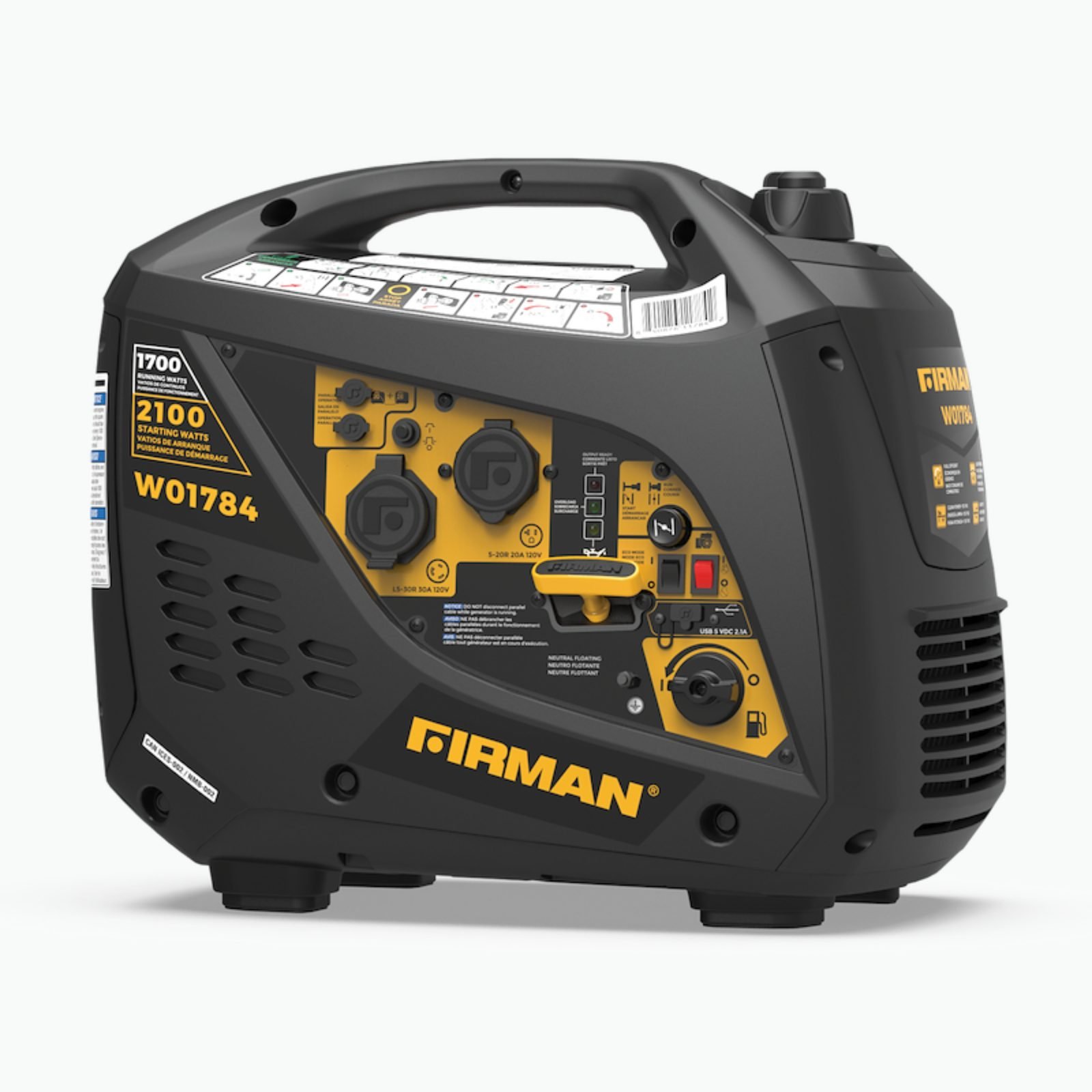
We carry the Firman Inverter Portable Generator, available in several sizes to match different power needs: a 2,100 starting/1,700 running watt model for lighter loads, up through a 3,650/3,300 watt model and a 6,850/5,500 watt model for larger rigs or full-time power needs. All are clean inverter power, suitable for sensitive electronics, and built with parallel-ready capability so you can add a second unit later if your needs grow.
Quick Buying Checklist
| Question | Why It Matters |
|---|---|
| What’s the starting wattage of your largest single appliance (usually the A/C)? | Your generator must cover this surge, not just the running total |
| What’s your total realistic simultaneous load? | Determines minimum generator size |
| Do you need parallel capability? | Lets you scale up later without buying a bigger unit now |
| How much can you comfortably carry and store? | Bigger generators are meaningfully heavier |
| Will you run sensitive electronics? | Inverter generators produce cleaner power |
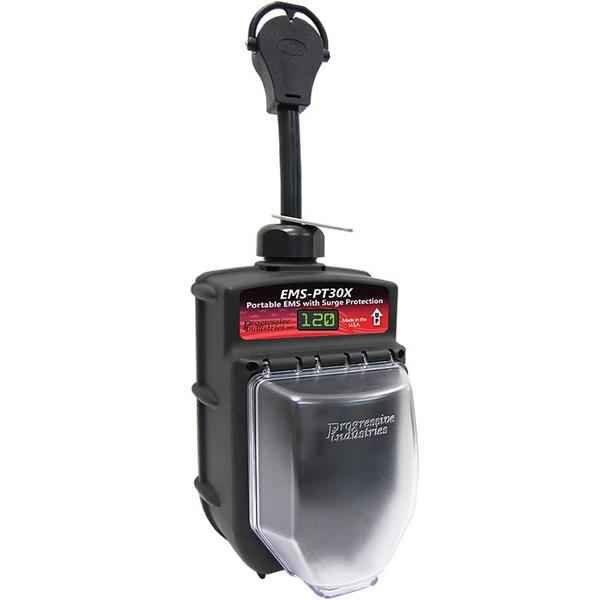
Pairing a right-sized generator with good portable solar charging and a surge protector on your shore power connection rounds out a solid RV power setup for camping away from hookups — solar keeps your batteries topped up quietly during the day, while the generator covers the bigger loads like air conditioning when you need them. If you’re already relying on portable power stations for lighter-duty charging, our guide to keeping a portable power station charged on the road covers that side of things too.