
Nothing ruins a camping morning faster than turning the water heater switch on and getting nothing but cold water an hour later. If your Suburban RV water heater won’t light — on gas, electric, or both — the good news is that most causes are things you can check yourself before assuming the unit is dead. This guide walks through the most common reasons a Suburban water heater fails to ignite, in the order that’s usually fastest to check first.
If you’re still deciding what type or size of water heater to install in the first place, our RV water heater buying guide covers tank vs. tankless and sizing. This article picks up from there for troubleshooting an existing unit that won’t fire up.
Start With the Basics
Before assuming something is broken, rule out the simple stuff:
- Is the tank full of water? Running the heater dry can trip the ECO (Energy Cut-Off) safety switch, which will block ignition even if everything else is working. Check the bypass valve position and make sure the tank has actually filled before you switch the heater on.
- Is your propane tank actually open, and does it have fuel? Sounds obvious, but a closed valve or an empty tank is one of the most common reasons for a no-light call.
- Is the water heater switch actually getting power? Check your breaker or fuse panel for the water heater circuit before digging into the appliance itself.
Gas Side Won’t Light
Air in the Gas Line
If you’ve recently changed a propane tank, run a generator dry, or the RV has sat unused for a while, air can get into the gas line and prevent a steady flame from catching. Many owners find that running the water heater (or another gas appliance, like the stove) for a short period helps purge the air out of the line and lets gas ignite normally once it’s clear. If it still won’t catch after a reasonable attempt, stop and move on to the next check rather than repeatedly cycling the igniter.
Weak or Inconsistent DC Voltage
Suburban water heaters use a 12V DC circuit board to control ignition, and that board needs steady, adequate voltage to fire the igniter and open the gas valve reliably. If your house battery is low, or if there’s a bad ground or corroded connection somewhere in the wiring, the board may not have enough clean power to complete an ignition cycle even though everything else looks fine. A multimeter check at the water heater’s power connection (compared against your battery’s actual state of charge) is a good diagnostic step here — if voltage is noticeably low, charge the battery and check your connections before assuming the water heater itself has failed.
Igniter or Electrode Problems
Listen closely when you switch the heater on. You should hear or see a spark at the igniter/electrode near the burner. No spark at all usually points to the igniter, its wiring, or the circuit board. A weak or intermittent spark can be caused by a dirty or corroded electrode, or by a gap that’s drifted out of position — this is generally something a qualified RV technician should inspect and correct rather than adjusting blind.
Thermocouple or Flame Sensor Not Detecting the Flame
Some models use a thermocouple or flame sensor to confirm the burner actually lit before allowing gas to keep flowing. If this component fails or gets dirty/misaligned, the control board may think the flame never caught and shut the gas valve back off — even if you briefly saw a flame. This typically shows up as a heater that fires for a second and then cuts out.
ECO Switch Tripped
The ECO (Energy Cut-Off) switch is a safety device that shuts off power to the gas valve if the water temperature gets dangerously high, or in some failure modes, if the tank has run dry. If your board is sending a signal but you don’t hear a click from the gas valve, a tripped or failed ECO switch is a common culprit. Some ECO switches have a manual reset; check your owner’s manual for your specific model before assuming it needs replacement.
Electric Side Won’t Heat
If your model has a DEL-style electric heating element and the electric side isn’t warming water while plugged into shore power:
- Confirm the interior ON/OFF or ON/RESET/ELECTRIC switch is actually set to the electric position — these switches control both gas and electric functions on DEL-style units, and it’s an easy setting to overlook after a trip.
- Check that you’re actually connected to and drawing shore power, and that the appliance’s dedicated breaker hasn’t tripped.
- If the switch has a RESET position, some models require cycling it after an ECO trip before the electric element will heat again.
- A failed heating element will need professional testing and replacement — this involves working inside a pressurized water tank and isn’t a simple DIY swap for most owners.
When to Call a Technician
Propane appliances involve real safety risks — gas leaks, carbon monoxide, and burns among them. If you’ve worked through the basic checks above (water level, propane supply, power, obvious air-in-line purging) and the unit still won’t light, or if you smell gas at any point, stop troubleshooting and have a qualified RV technician or propane specialist take a look rather than continuing to test electrical or gas components yourself.
Quick Reference: Common Suburban Water Heater No-Light Causes
| Symptom | Likely Cause |
|---|---|
| Nothing happens at all when switched on | No power/blown fuse, tripped breaker, or empty propane tank |
| Igniter clicks but no flame | Air in gas line, closed propane valve, or igniter/electrode issue |
| Flame lights briefly then shuts off | Thermocouple/flame sensor not detecting flame properly |
| No click from the gas valve at all | Tripped or failed ECO switch |
| Board seems unresponsive or inconsistent | Low or unstable 12V DC voltage to the control board |
| Electric side won’t heat on shore power | Switch set to gas-only, tripped breaker, or failed element |
Replacement Parts
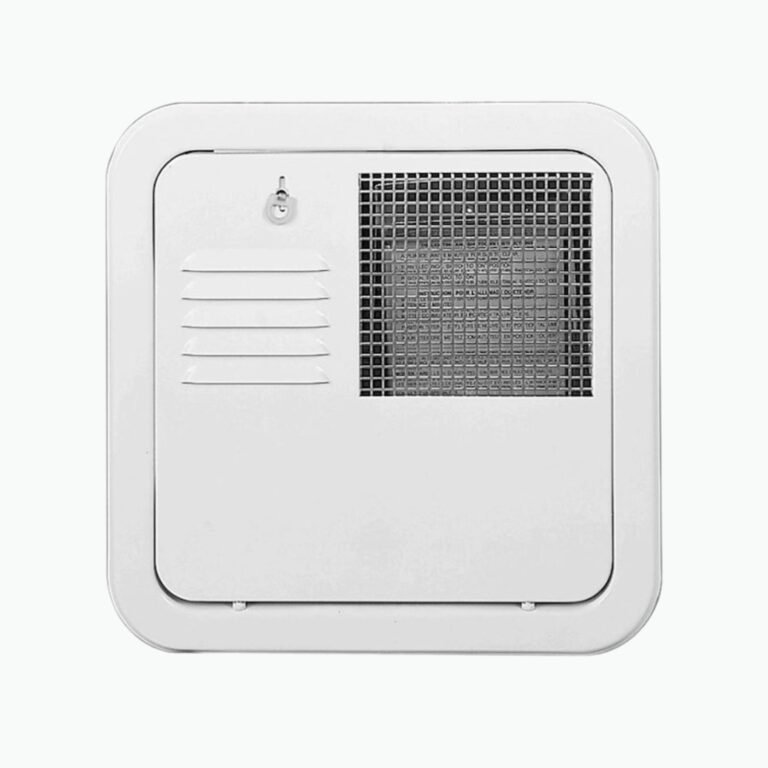
If your troubleshooting points to a failed component or you’re replacing an aging unit outright, Chief Camper carries genuine Suburban water heater parts, including the Suburban Direct Spark Ignition Water Heater (DE model), the DEL model with 12V relay, interior ON/OFF and ON/RESET/ELECTRIC control switches, and replacement access doors in several finishes. If you’re heading into fall, it’s also a good time to check out our step-by-step guide to winterizing your RV water system so the water heater tank is properly protected before temperatures drop.